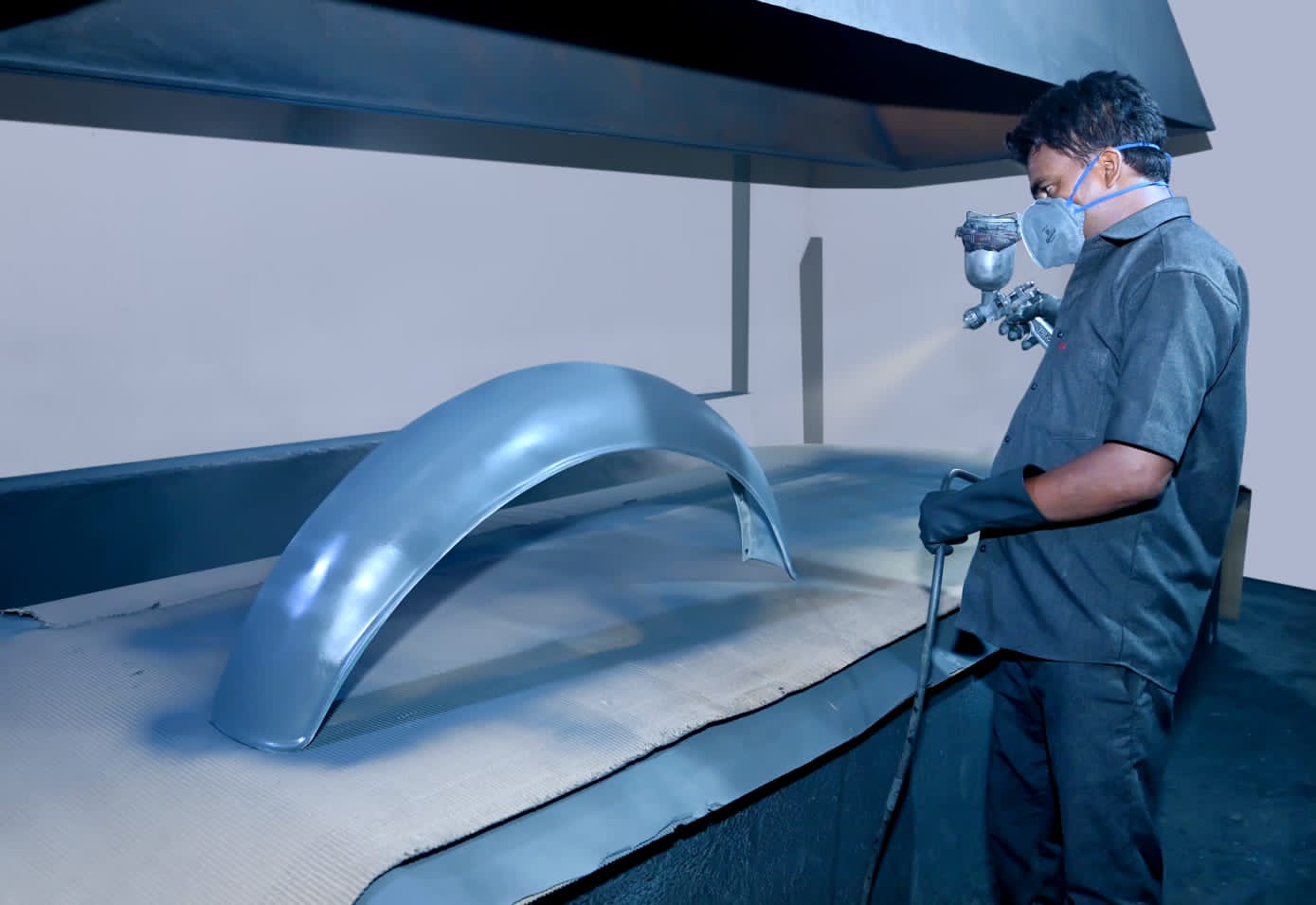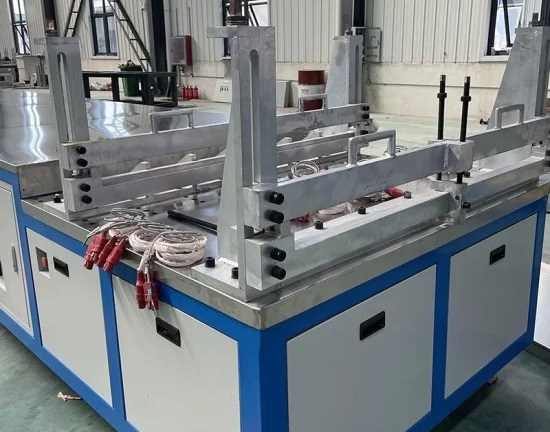
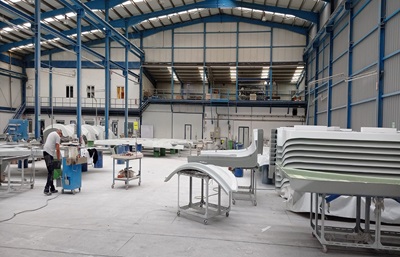
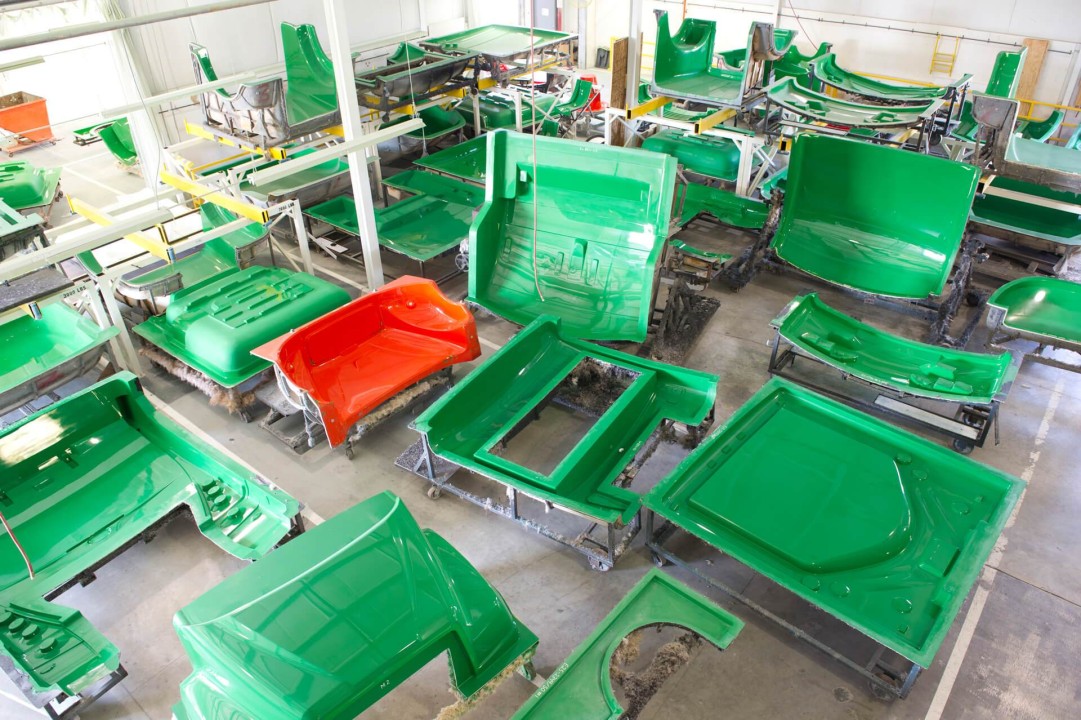
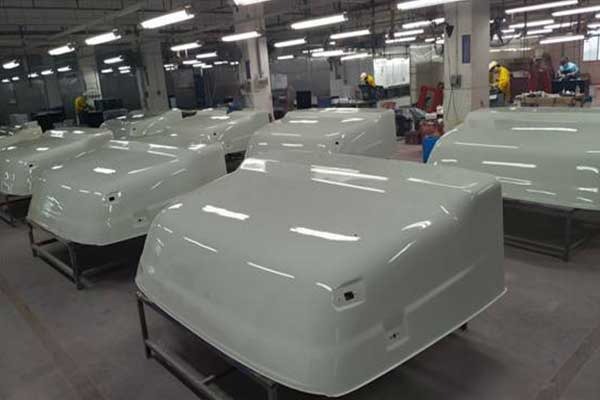
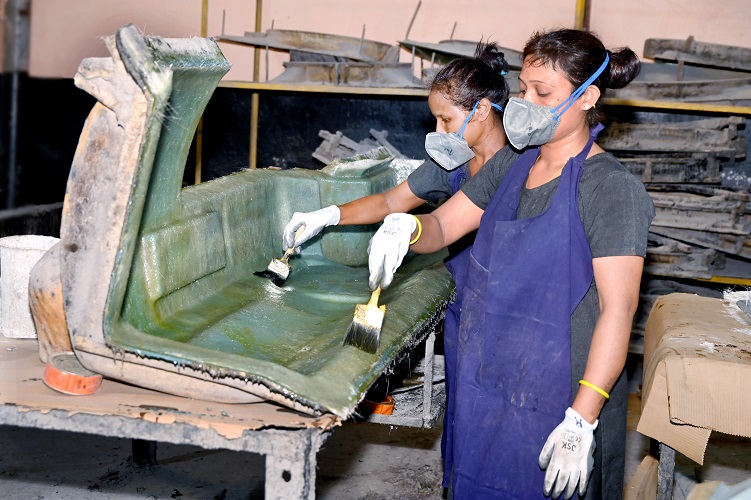
Key Characteristics of Our FRP & Plastic Auto Components
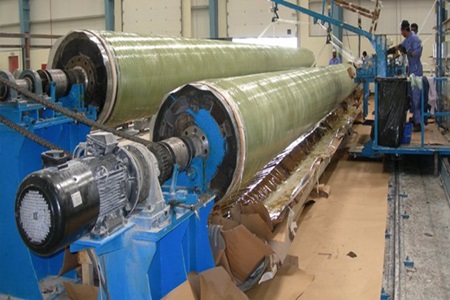
- Lightweight: FRP components are significantly lighter than traditional metal parts, contributing to overall vehicle weight reduction, which enhances fuel efficiency and performance.
- High Strength: The reinforcing fibres provide exceptional tensile strength and stiffness, making FRP parts strong and durable.
- Corrosion Resistance: Unlike metals, FRP materials are not susceptible to rust and corrosion, increasing the longevity of the components.
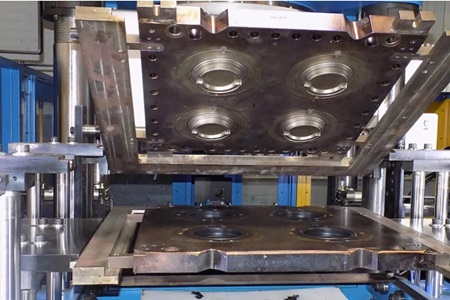
- Design Flexibility: FRP can be moulded into complex shapes and structures, allowing for innovative design solutions and the integration of multiple functions into a single part.
- Thermal and Chemical Resistance: FRP materials can withstand high temperatures and exposure to various chemicals without degrading.
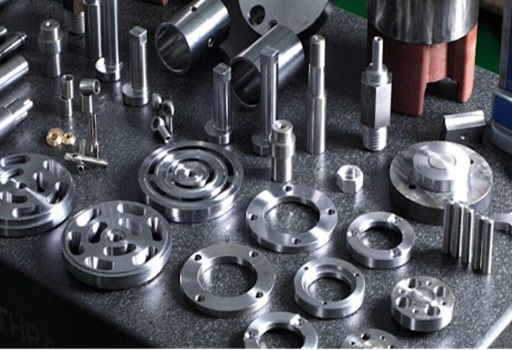
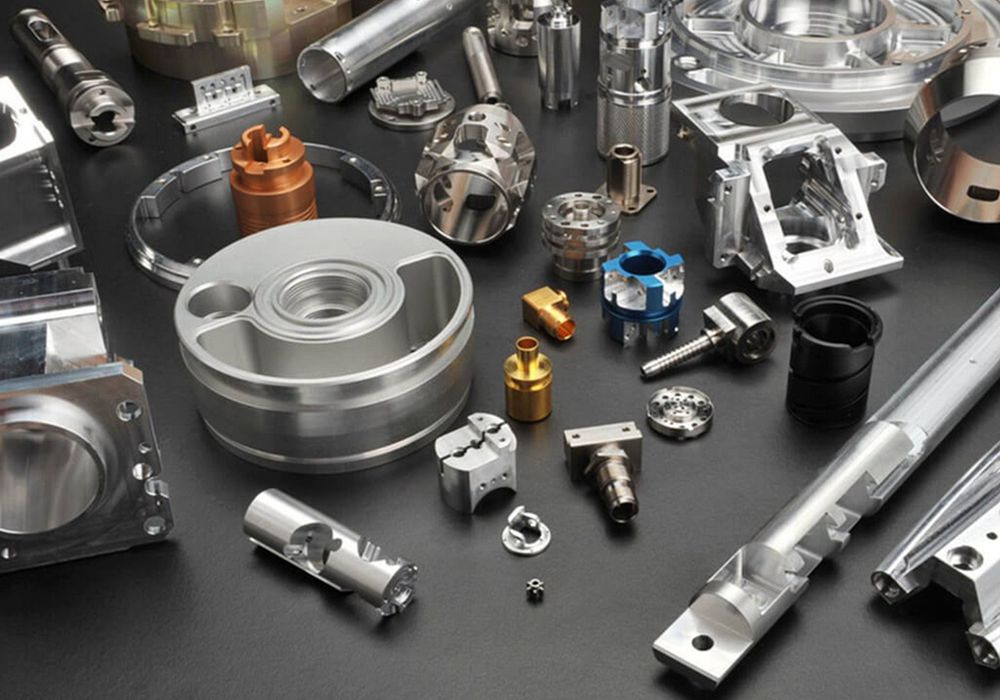
Key Characteristics of Our Machined Components
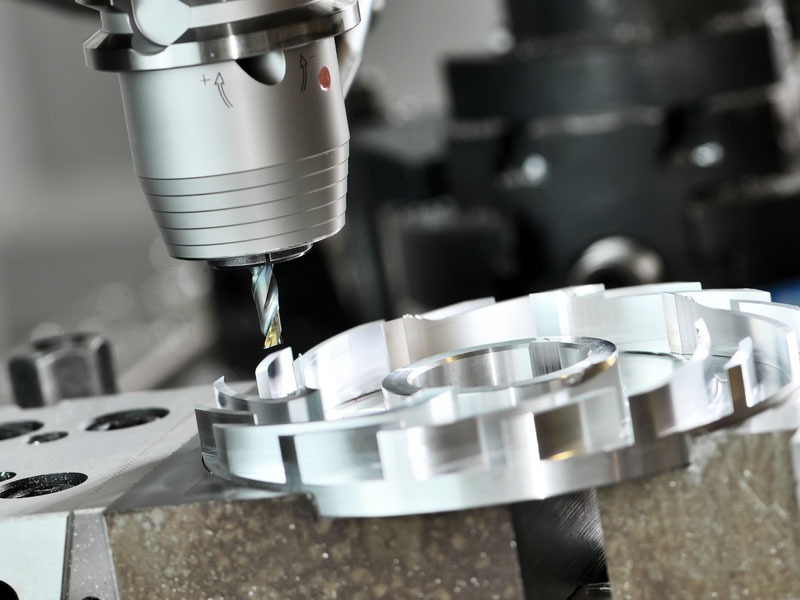
- Precision: Machining processes such as turning, milling, drilling, and grinding allow for high precision in dimensions and tolerances, ensuring a perfect fit and optimal performance.
- Material Versatility: Capable of being made from a wide range of metals and alloys, chosen based on the specific requirements of strength, weight, and thermal resistance.
- Surface Finish: Machining provides a smooth surface finish, which can be critical for parts that interact closely with other components, reducing friction and wear.
- Complex Geometry: Advanced CNC (Computer Numerical Control) machining allows for the creation of complex shapes and intricate designs that are often required in automotive components.